Kenya

“Jambo na Karibuni”
(“Hello & Welcome”)
This friendly Swahili greeting will be your introduction to all the new friends and acquaintances you make on safari in Kenya.
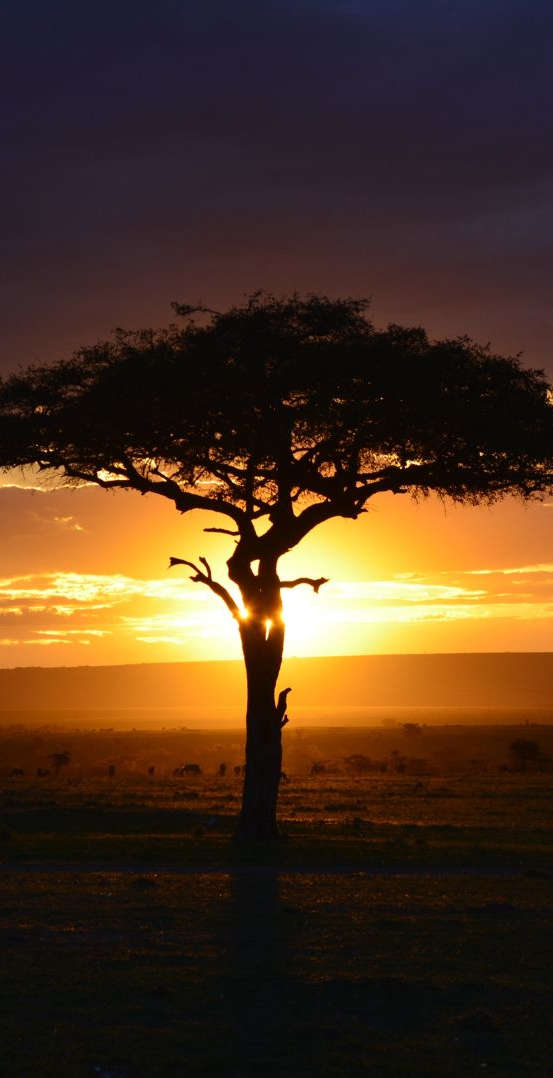
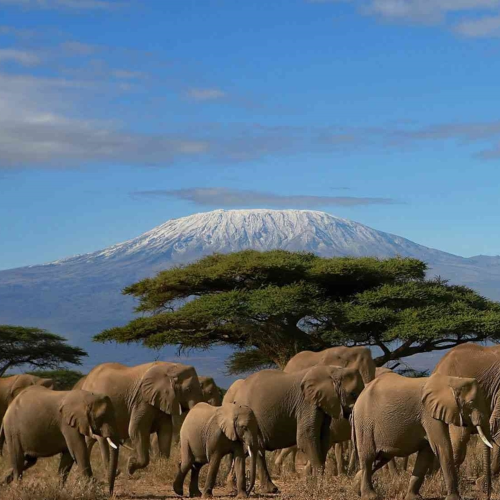
As you plan for the safari ahead wehe best wildlife viewing destination in Africa. People from all over the world suggest you run through the information that follows so that you get the most out of your exclusive safari. Kenya is rightfully described as “All of Africa in One Country”, and it is exactly that. It is a fact that Kenya enjoys some of the world’s greatest environmental diversity resulting in unparalleled species and sub-species varieties. Kenya is simply t are drawn here by its essence: the chance to immerse yourself in the spectacle of the big game: the predators and the prey ritually entwined in a cycle of life and death. Kenya straddles the Equator with geography ranging from snow capped Mt. Kenya, the second highest mountain in Africa, to lush tropical rainforest and golden sands at sea level. Kenya is a land of contrasts and extremes: a country with an extraordinary variety of landscapes and locations, all of them striking in their own particular way. It has earned the epithet ‘the cradle of mankind’ for the discovery of archaeological evidence of the earliest origins of mankind
Why Kenya
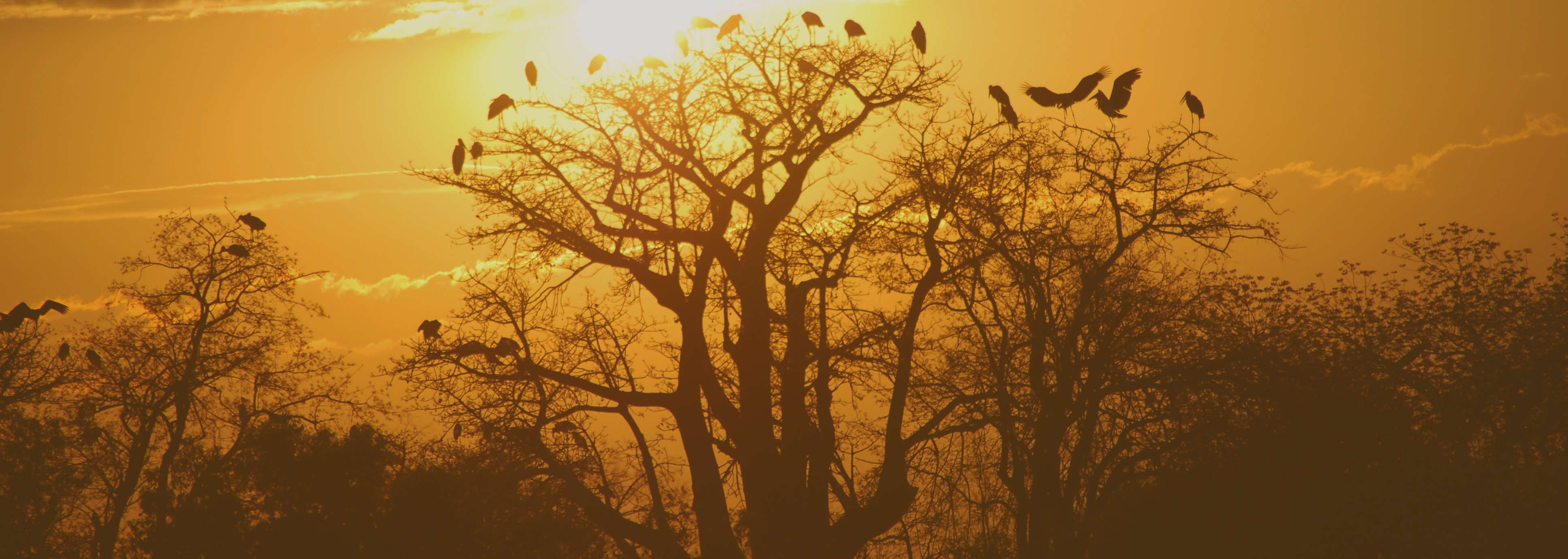
Kenya not only boasts every known landform but also a wealth of animal and bird life which owes its very existence to the contrasts in the country’s terrain. You do not have to be an ornithologist to enjoy its one thousand species of birds or a zoologist to be amazed by its variety of animals – birds range from the beautiful to the bizarre and the wildlife from the weird to the wonderful… Kenya counts 24 monkey species inhabiting the various jungles, from the nocturnal galagos to the golden monkeys and the endangered mountain gorillas. In addition to the wide variety of mammals, Kenya is one of the most bird-rich countries in the world with over 1000 bird species, such as the prehistoric-looking Shoebill and the Great Blue Turaco We are among the last generations to have the opportunity to experience the vanishing cultures of East Africa. Kenya is the tribal home to 40 different ethnic groups, many still living exactly as their ancestors did thousands of years ago. You can immerse yourself in the ways and culture of some of Africa’s proudest and most striking tribes.
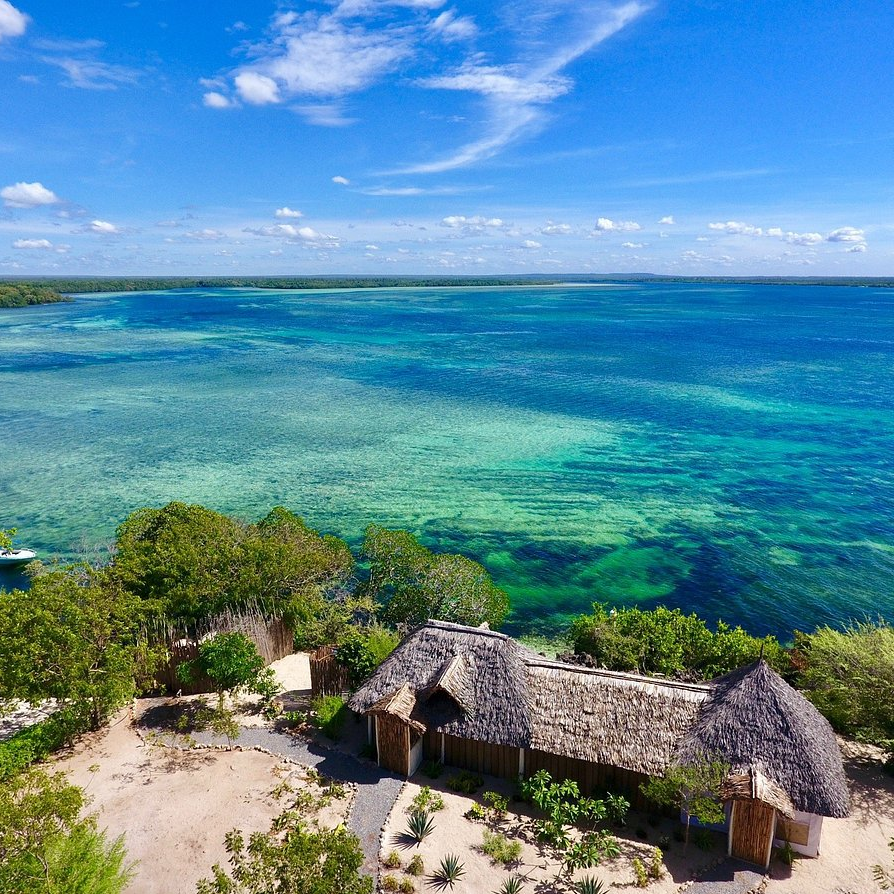
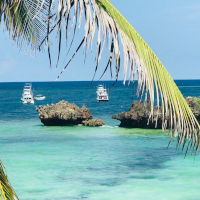
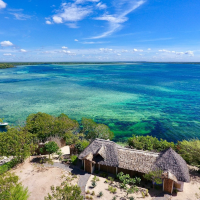
Kenya has 480 kilometres of Indian Ocean coastline and a coral fringe reef, which is home to a colourful plethora of marine life. You can explore its balmy waters by dhow, yacht or powerboat; dive, snorkel and swim in the clear azure waters over fabulous coral beds; hunt for Marlin, Tuna and Sailfish or explore the mangrove swamps and creeks where the cycle begins. The coast is home to a striking mix of people and cultures with beautiful ancient architecture contrasting with the modern da bustle of the 21st century.
Gallery
Places to Tour
WILDEBEEST MIGRATION
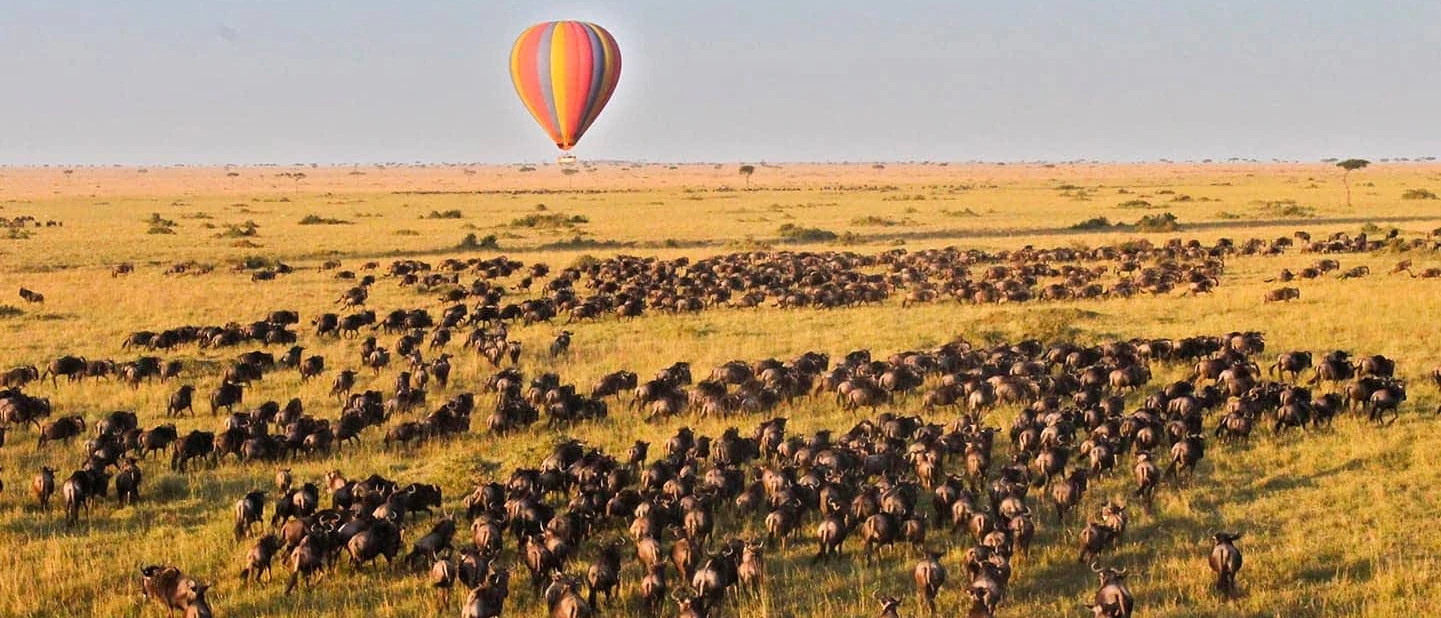
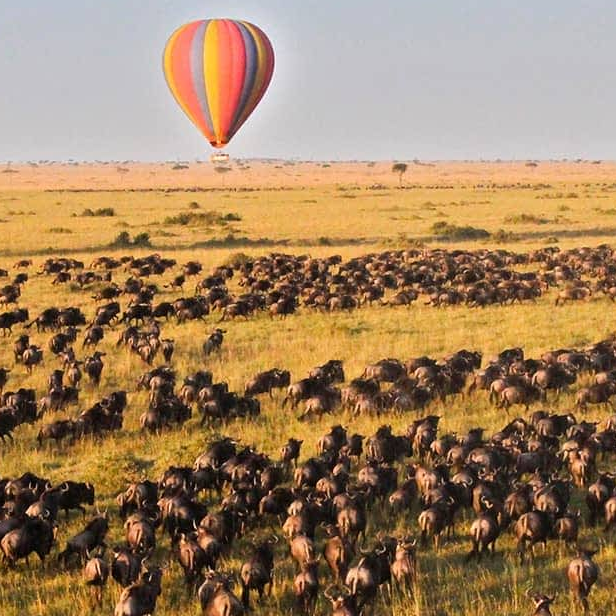
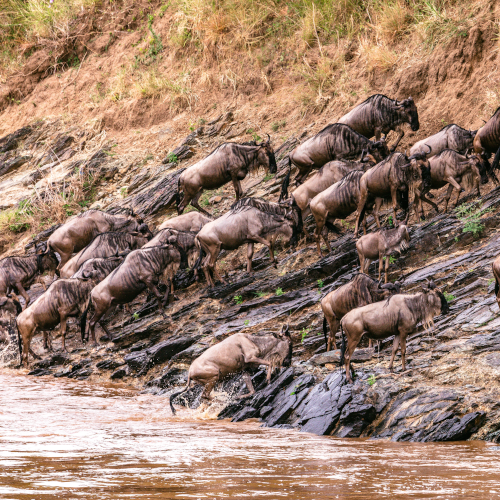
The wildebeest migration takes place within Kenya and Tanzania and is one of the greatest wildlife shows on earth. Between the open plains of the Serengeti and the Masai Mara, thousands of wildebeest and zebras migrate to greener pastures as the seasons change. The precise timing of the Wildebeest Migration changes annually.
The calving season takes place in the Serengeti between the months of January and mid-March before the Wildebeest Migration begins, heading towards the Western Serengeti in June. The best time to see the migration is usually between June and August when the wildebeest congregate and prepare to cross the famous Grumeti River.
If you are in the Masai Mara you can expect the wildebeest to arrive as early as July, but they generally arrive between August and September and remain in the Mara between October and November. Between December and January, the wildebeest gradually begin their migration back towards the Serengeti. These monthly migration patterns can change from year to year, so these estimates should be used as a general guide.
LAKE NAKURU NATIONAL PARK
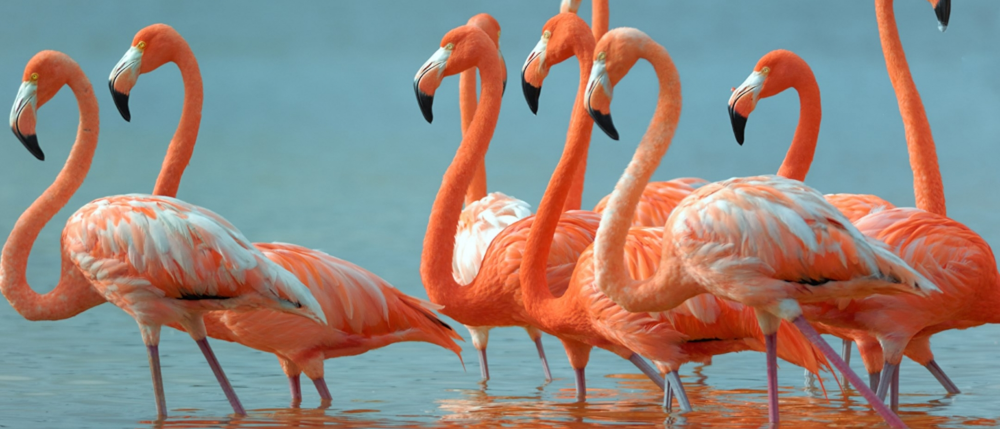
Situated between Lakes Naivasha and Baringo, beneath the high cliffs of the Eastern Rift, lies Lake Nakuru. This is a shallow soda lake surrounded by yellow-barked acacia woodland and grasslands, rocky cliffs, and hillsides covered with the unusual giant Euphorbia trees.
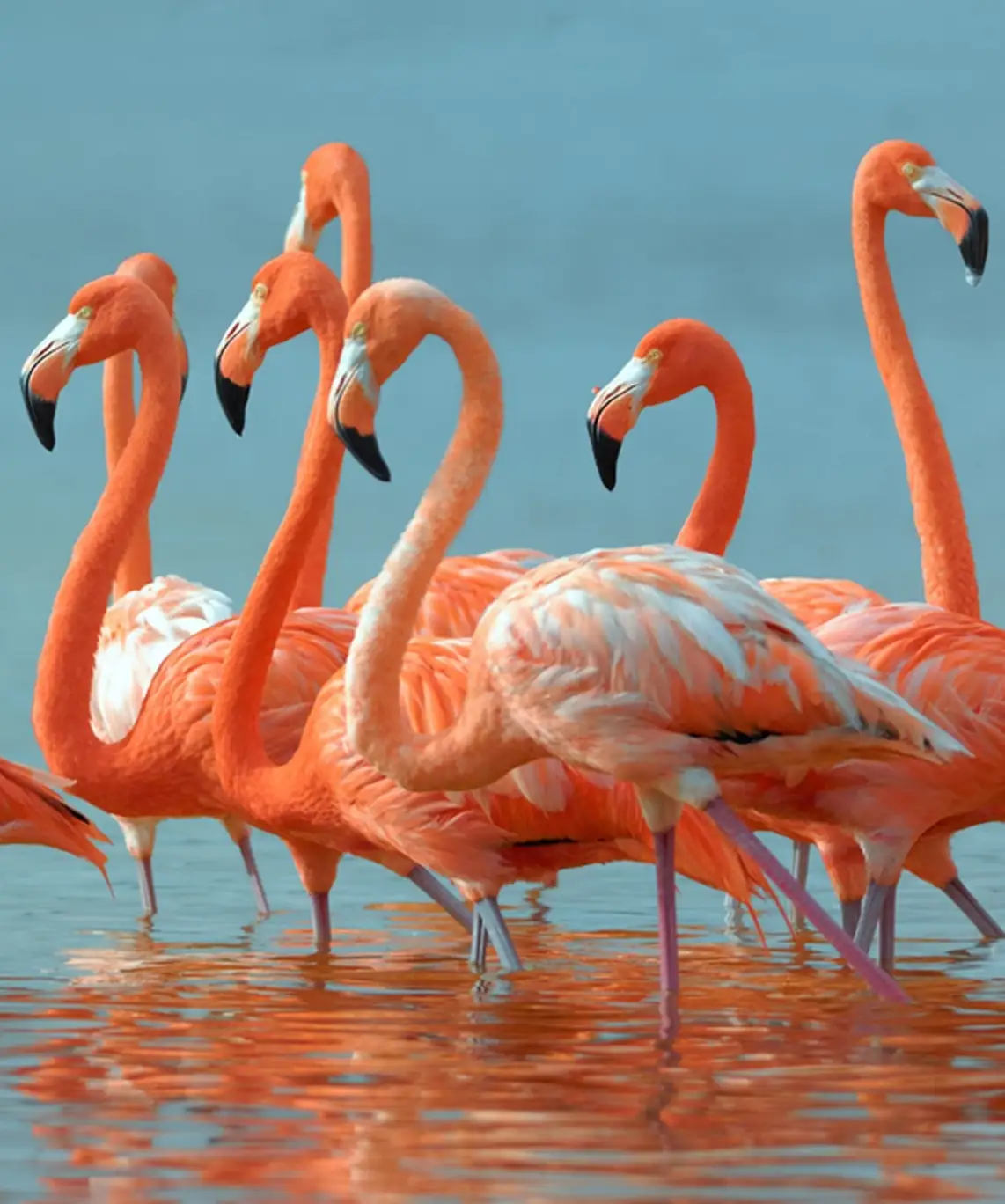
Lake Nakuru is world famous as home to flocks of greater and lesser flamingoes, which frequently form a stunning pink ribbon along the edges of the lake. But flamingoes are unpredictable and are not always found here in such vast numbers. They migrate up and down the Rift Valley from Natron to Turkana in search of the best food supply, and their numbers at Lake Nakuru have declined in recent years. However, other species still populate the area in healthy numbers. An entertaining spectacle is the large flocks of pelicans found fishing and washing at the southern end of the Lake. Over 400 species of birdlife have been recorded at the lake, making this yet another of Kenya's major ornithological sites.
MASAI MARA NATIONAL RESERVE
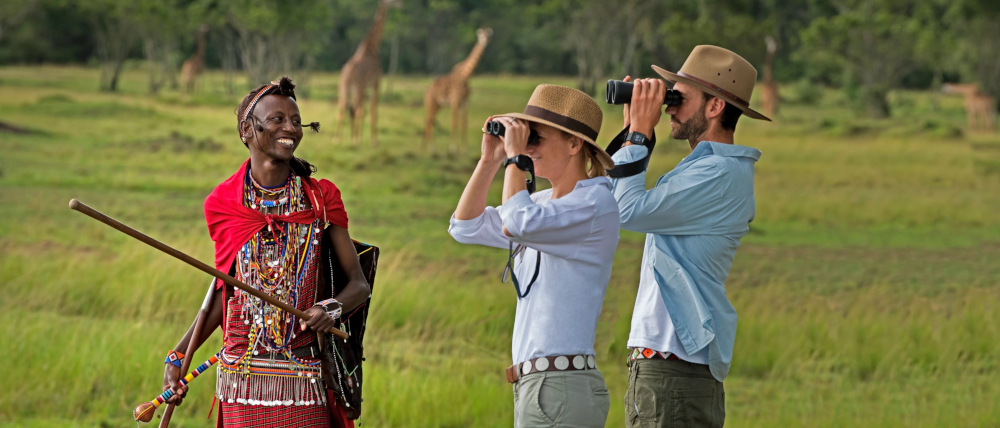
MAASAI MARA NATIONAL RESERVE is situated to the west of Nairobi, on Tanzania's northern border. This 1,812 km² (700 sq. miles) Reserve is the northern extension of the larger Serengeti National Park - a massive 56,000 km² (5,600 sq. miles).
The Masai Mara offers wonderful scenery and an abundance of big games. It is perhaps the only region left in Kenya where the visitor may see animals in the same super-abundance that existed a century ago. It is a reserve of breathtaking vistas, panoramas of vast rolling plains, hills, and woodland groves, well watered by the lovely Mara River which bisects the Reserve from north to south.
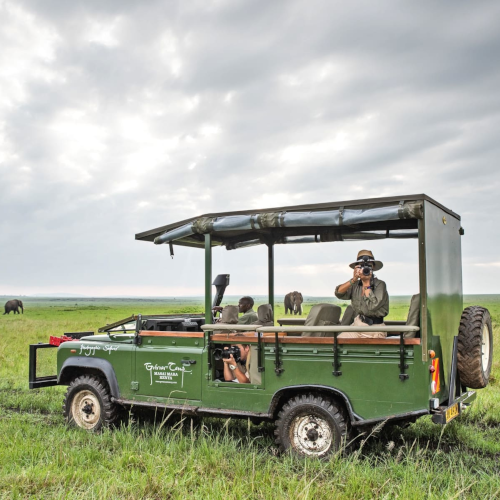
The Mara is home to the largest population of lions in Kenya. These magnificent beasts spend most of the day sleeping in the shade of acacia trees. Vast herds of buffalo, zebra, and wildebeest roam the plains. Impala, gazelle, giraffe, and hartebeest grace the landscape. The cautious topi may also be seen standing sentinel on earth mounds on a constant look-out for predators. The waters of the Mara River are home to crocodiles and pools of hippo, the acacia woodlands and riverine forests favored by leopard and elephant, and the open savannah and dry bush areas host the plains game and their attendant predators such as lion, cheetah, hyena, and jackal.
The birdlife of the Mara is as profuse as the animal life. On the open plains, there is a variety of bustards and ground hornbills. Birds of prey are abundant - no less than 53 species have been recorded, including the magnificent Bateleur eagle. In the sky, there are always opportunistic vultures circling and waiting in anticipation, and distinctive secretary birds are a common sight as they stalk sedately over the open plains.
Kenya Itineraries
2 Day Kenya Safari
Go where you feel Most Alive